Valentino shoe sizing can be tricky. Do Valentino heels run true to size? Here’s how Valentino Rockstud heels fit and when you may want to size up.
There are certain fashion purchases I’m perfectly comfortable making online. A sweater? Absolutely. A handbag? Usually. But designer shoes? That’s where I start second-guessing everything.
Because when you’re spending designer-shoe money, “I’ll just guess my size” is not exactly the strategy I recommend.
And Valentino is one of those brands where the question comes up again and again:
Do Valentino heels run true to size? Should you size up? Should you size down? And, perhaps most importantly, are Valentino heels actually comfortable enough to wear?
If you’ve been Googling any variation of those questions before clicking “add to cart,” this guide is for you.
As part of my ongoing series answering some of the most-Googled fashion questions, I’m breaking down what you should know about Valentino shoe sizing and fit before investing in a pair.
So, How Do Valentino Heels Actually Fit?
The frustrating thing about designer shoe sizing is that there is rarely one universal answer—and Valentino is no exception.
Your ideal Valentino size can depend on the particular shoe, heel height, toe shape, material, and, of course, the shape of your own foot.
That’s why I don’t love giving blanket advice like “always size up in designer shoes.” It might make for an easy answer, but it isn’t necessarily a useful one.
My biggest advice with Valentino is to pay attention to the specific silhouette you’re buying rather than relying exclusively on the size printed inside the shoe.
A pointed-toe pump, for example, is naturally going to distribute space differently than a sandal or more open silhouette. If you have a wider foot or need more room through the toe box, that difference can become especially noticeable.
And remember: designer sizing often uses European sizing, so don’t assume your usual U.S. size will translate perfectly across every luxury brand.
Should You Size Up in Valentino Heels?
Maybe—but I wouldn’t automatically order a larger size simply because you’re buying Valentino.
Instead, think about three things:
1. The shape of the toe.
A pointed or particularly narrow toe box can make a shoe feel smaller even when the actual length is technically correct.
2. The material.
Leather can soften and mold somewhat with wear, but that doesn’t mean you should buy an uncomfortable shoe and hope it eventually becomes wearable. There’s a difference between snug and painful.
3. Your individual foot shape.
If you typically need extra room through the front of your shoes, that’s worth considering when deciding between two sizes.
If you’re between sizes, this is also where trying the shoes on in person—or ordering from a retailer with a reasonable return policy—can be incredibly helpful.
And if you’re purchasing a pre-owned pair that can’t be returned? I would be even more cautious about assuming your normal size will work.
What About Valentino Rockstud Heels?
We can’t really talk about Valentino shoes without talking about the Rockstud.
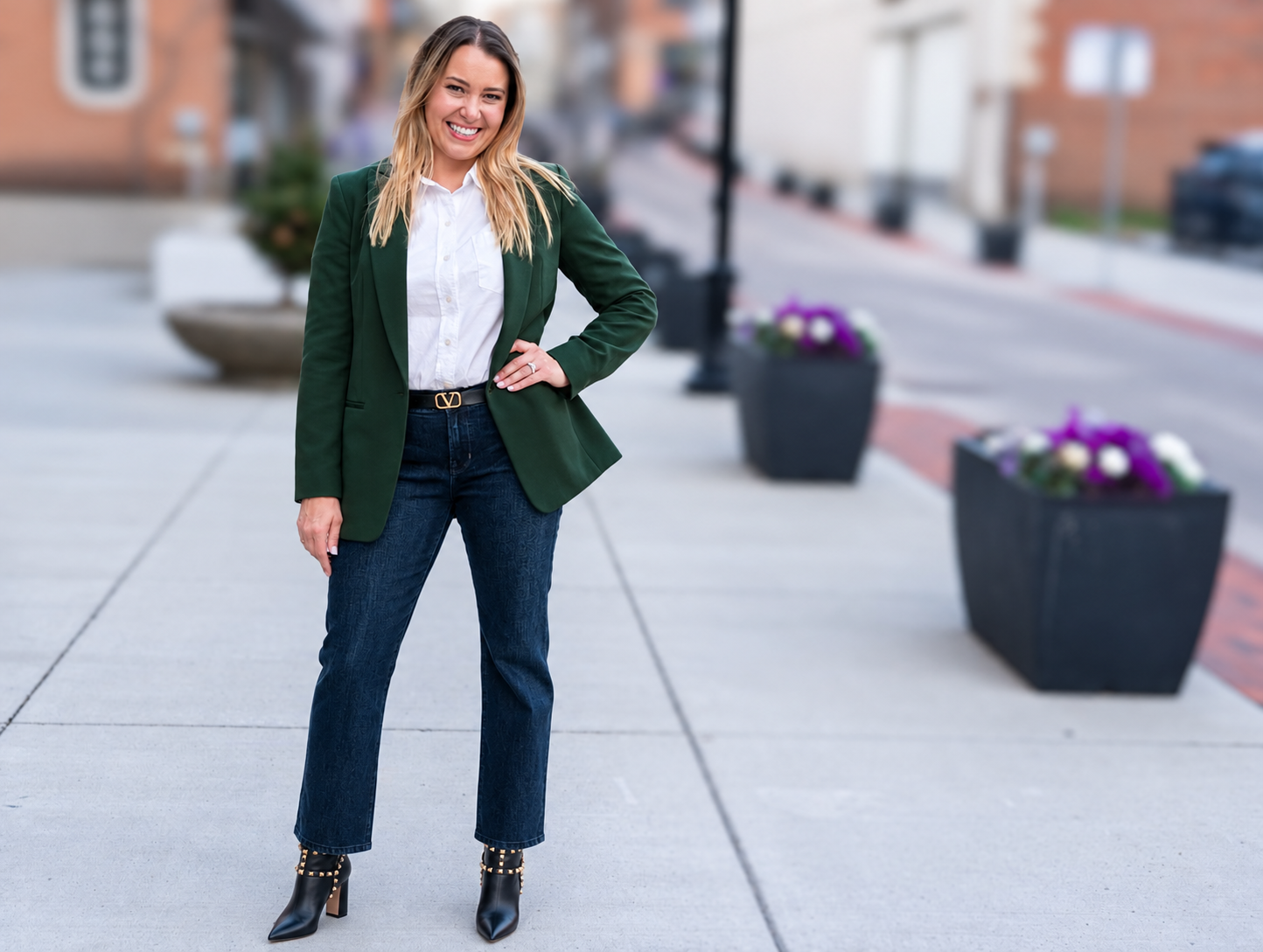
The Rockstud became one of the brand’s most recognizable shoe designs, and there are now numerous versions of the style—from pumps and kitten heels to sandals and flats.
Because of the structure of many Rockstud styles, fit can feel different from a traditional pump. The straps and placement around the foot can affect how secure the shoe feels, while the shape of the toe box can influence how much room you have in front.
This is another reason I recommend researching the exact Valentino style you’re considering instead of treating every Valentino shoe as though it fits identically.
If you’re buying secondhand, ask for the actual insole measurements whenever possible. Comparing measurements against a pair you already own and love can be far more helpful than relying on the listed size alone.
Are Valentino Heels Comfortable?
Now for the question I care about almost as much as sizing:
Can you actually wear them?
Because a gorgeous pair of shoes that spends its entire life sitting in the closet isn’t much of an investment.
Comfort is obviously subjective, especially with heels. Heel height, arch placement, toe shape, straps and the amount of time you’re standing all make a difference.
My rule with any designer heel is that the shoe should feel secure from the beginning.
Don’t buy shoes that are painfully tight because someone tells you they’ll “stretch.” And don’t buy a pair that’s slipping off your heel because you’re hoping an insert will magically fix everything.
A small adjustment? Sure.
Trying to turn the wrong size into the right size? That’s usually a sign to keep looking.
Valentino vs. Christian Louboutin Sizing
This is where designer shoe shopping gets particularly interesting.
If you’ve already read my Christian Louboutin sizing guide, you know that one designer size doesn’t necessarily predict what you’ll wear in another brand.
RELATED: Christian Louboutin Sizing Guide
Even within your own closet, you may discover that you wear slightly different sizes depending on the designer and silhouette.
That’s why I think of designer shoe sizing as less of a universal conversion chart and more of a combination of:
brand + style + foot shape.
Once you start approaching designer shoes that way, shopping becomes much easier.
6 Things I Would Check Before Buying Valentino Shoes Online
If you can’t try the shoes on first, do a little detective work before ordering.
1. Look up the exact style name.
Don’t search only “Valentino sizing.” Search the specific shoe you’re considering.
2. Read fit notes on multiple retailer websites.
If several sources mention that a particular style runs small or narrow, that’s useful information.
3. Read customer reviews when they’re available.
Look specifically for reviewers who mention their normal shoe size and foot shape.
4. Check the return policy before purchasing.
Especially with final-sale designer items.
5. Compare measurements when buying pre-owned.
Ask the seller for measurements rather than relying exclusively on the labeled size.
6. Compare the shoe to something you already own.
If you already have a designer heel that fits beautifully, use it as your benchmark.
These few extra minutes of research can save you from a very expensive shoe sitting untouched in your closet.
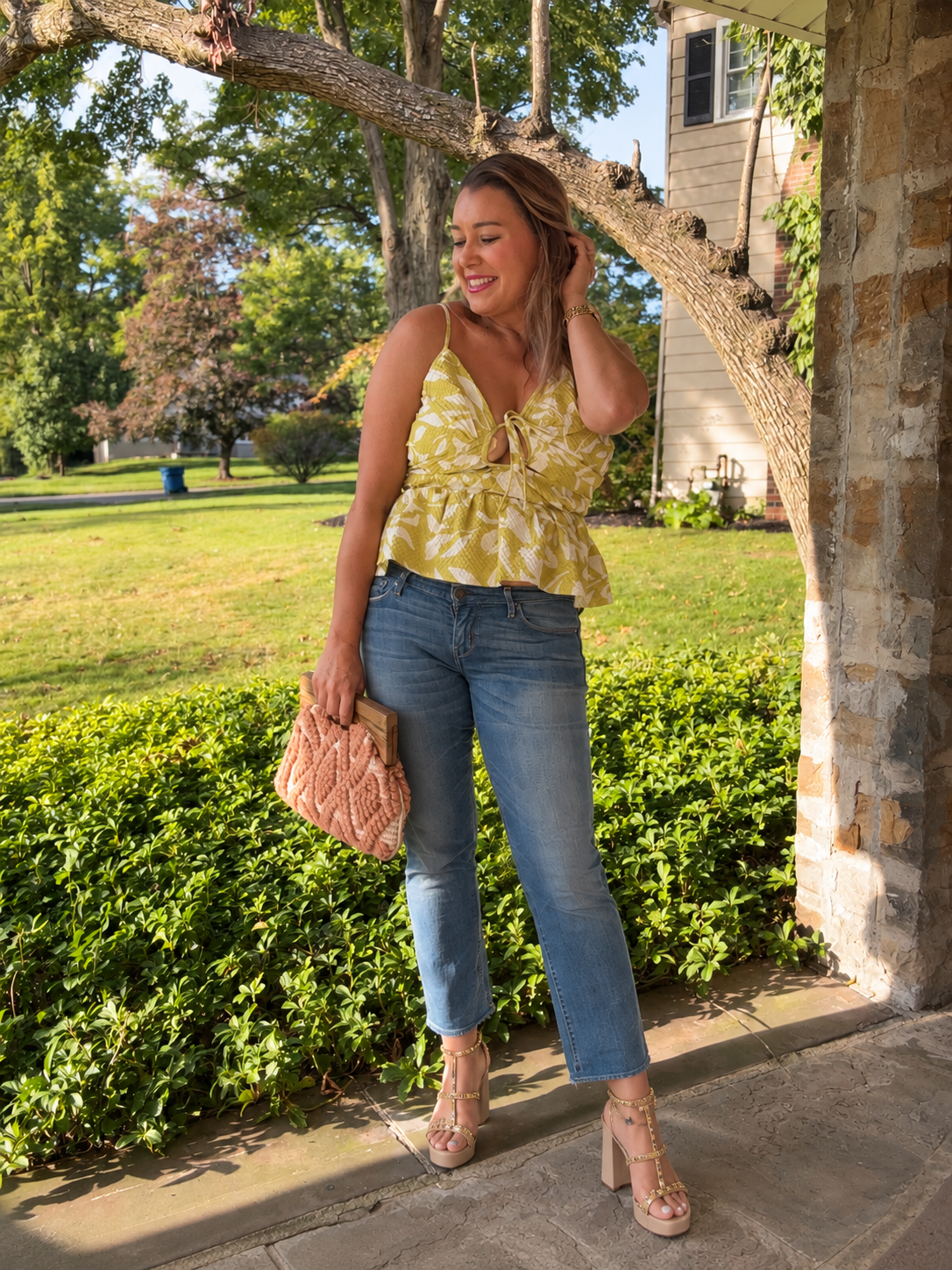
A Note About Buying Designer Shoes After 40
The older I get—and with 40 right around the corner—the less interested I am in owning things simply because they’re beautiful.
I want my wardrobe to work.
That doesn’t mean I’ve suddenly stopped loving beautiful shoes. Quite the opposite. Fashion has always been a huge part of my life, and I still believe there is something incredibly special about finding a piece that makes you stand a little taller the second you put it on.
But I’m becoming much more intentional about what earns a place in my closet.
If I’m investing in designer shoes now, I want them to be shoes I can actually wear. I want to know how they fit, what I can style them with, and whether they make sense for the life I’m living—not some imaginary version of it.
And maybe that’s one of my favorite things about personal style at this stage of life.
You stop dressing for the wardrobe you think you’re supposed to have and start building the one that actually feels like you.
RELATED: 6 Lies The Internet Tells You About Fashion After 40
My Biggest Valentino Sizing Advice
If there’s one thing I want you to take away from this guide, it’s this:
Don’t buy Valentino heels based solely on the number printed on the box.
Look at the silhouette. Consider your foot shape. Research that specific style. Pay attention to the toe box and materials. And whenever possible, try them on or purchase somewhere that allows returns.
Designer shoes should feel like something you’re excited to pull out of your closet—not something you’re afraid to wear because they hurt.
And if you’re currently standing in a Valentino fitting room Googling “Do Valentino heels run true to size?” before handing over your credit card, I hope you found this first.
Shop my favorite Valentino shoes:

More Fashion Answers
I’m turning 40 this fall, and I’m leaning into something I’ve loved my entire life: fashion that feels personal, wearable and worth talking about.
I’m answering more of the fashion questions we’re all secretly Googling—from how designer shoes actually fit to which trends are worth trying and how to build a closet you genuinely want to wear.
And follow along with me on Instagram at @projectmotherhood for the video version of this guide and more everyday style conversations.